UK Salary Calculator · 2026/27
Understand
your pay. Keep
more of it.
Calculate your take-home pay, explore scenarios, and get clear answers to UK tax questions - free, private, HMRC-aligned.
- 100% Free - Always free to use
- Private & Secure - Your data is never shared
- HMRC Compliant - Based on 2026/27 tax rules
Understanding your take-home pay in 2026/27
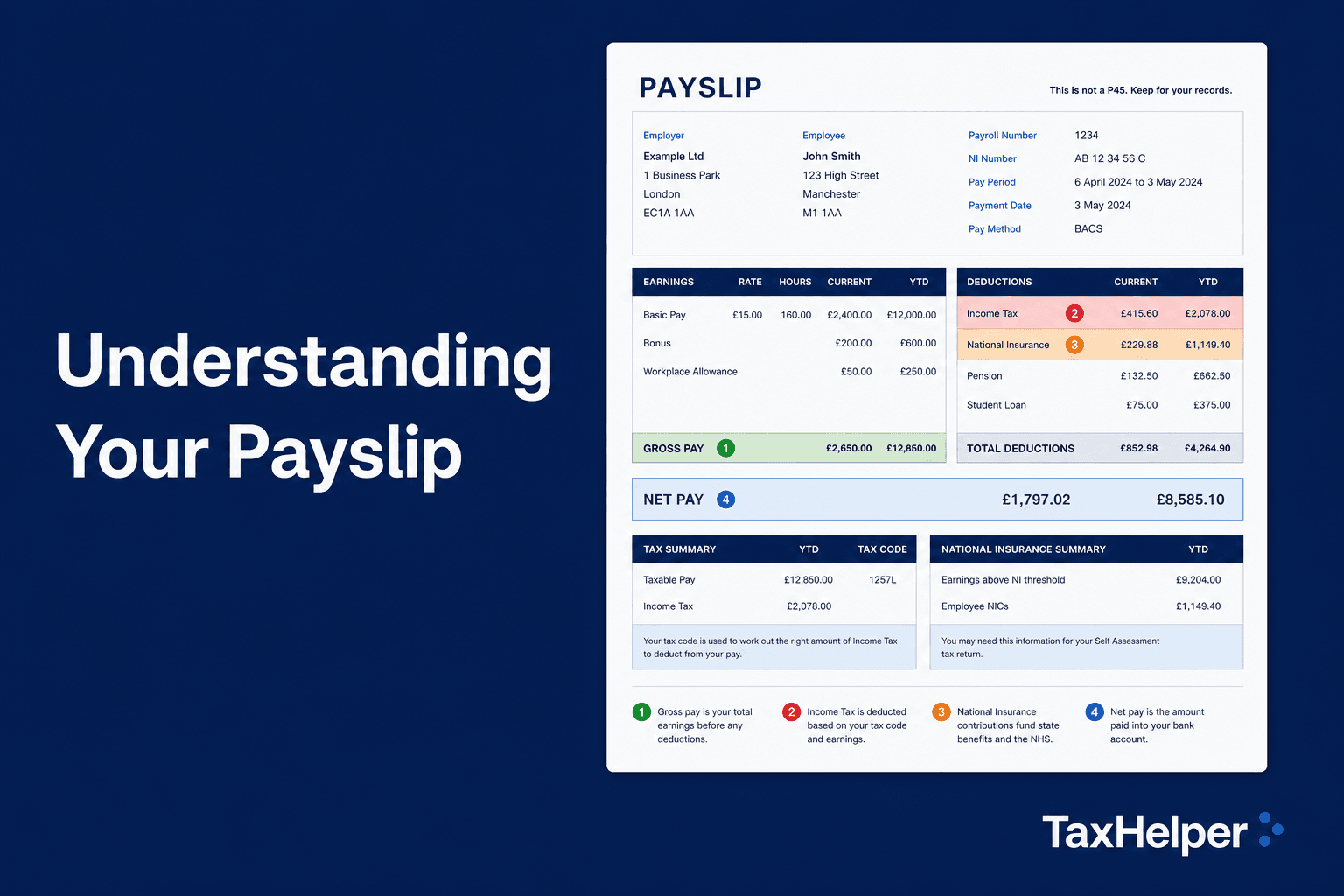
Most UK workers know their gross salary but not their true take-home pay. The gap between the two is filled by four possible deductions: income tax, National Insurance, a pension contribution, and — for many graduates — a student loan repayment.
In 2026/27, the Personal Allowance remains frozen at £12,570 for the fifth consecutive year. Every £1 of wage growth above this threshold generates extra tax, even without a change in the tax rate. A worker who earned £30,000 in 2021 and now earns £34,000 pays income tax on an additional £4,000 of income compared to five years ago.
National Insurance adds another 8% on earnings between £12,570 and £50,270. Combined with the 20% basic-rate income tax band, the effective marginal rate for most UK employees is 28% — meaning 28p in every £1 earned in the basic-rate band goes to the government before pension or student loan.
Pension contributions change the picture significantly. Salary sacrifice contributions reduce your gross pay before tax and NI are calculated — meaning every £100 you put in costs you around £72 after tax and NI savings. This makes pension saving one of the most tax-efficient things a UK worker can do.
If you are on a student loan plan, your repayment threshold matters. Plan 2 borrowers (who started university between 2012 and 2023) repay 9% on earnings above £27,295. Plan 1 borrowers repay above £24,990. Plan 5 (2023+ starters) repay above £25,000 but for 40 years instead of 30.
Our salary calculator handles all of this automatically. Enter your salary, select your region (England, Scotland, Wales or Northern Ireland) and tax year, add your pension percentage and student loan plan, and you will see an exact monthly and annual breakdown — matched to the same methodology HMRC uses.
Powerful tools to help you
Everything you need to understand your tax and pay
Salary Calculator
Calculate your take-home pay based on your salary, tax code and pension contributions.
Calculate now
Compare Scenarios
Compare different salaries or job offers side by side to see the real impact.
Compare now
Tax Code Checker
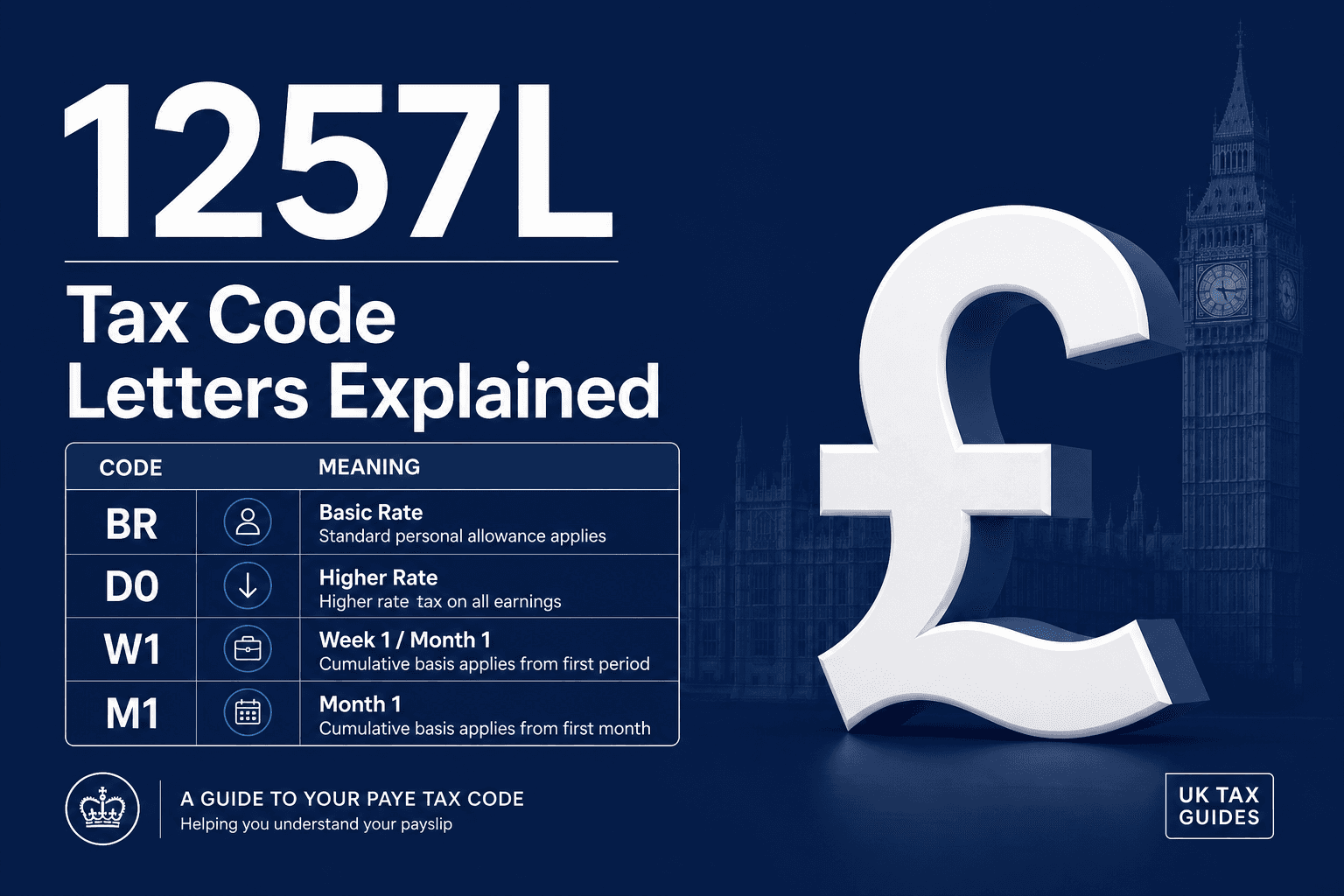
Check your tax code and understand what it means.
Check tax code
Why is my tax high?
Find out why you might be paying more tax and what you can do about it.
Find out now
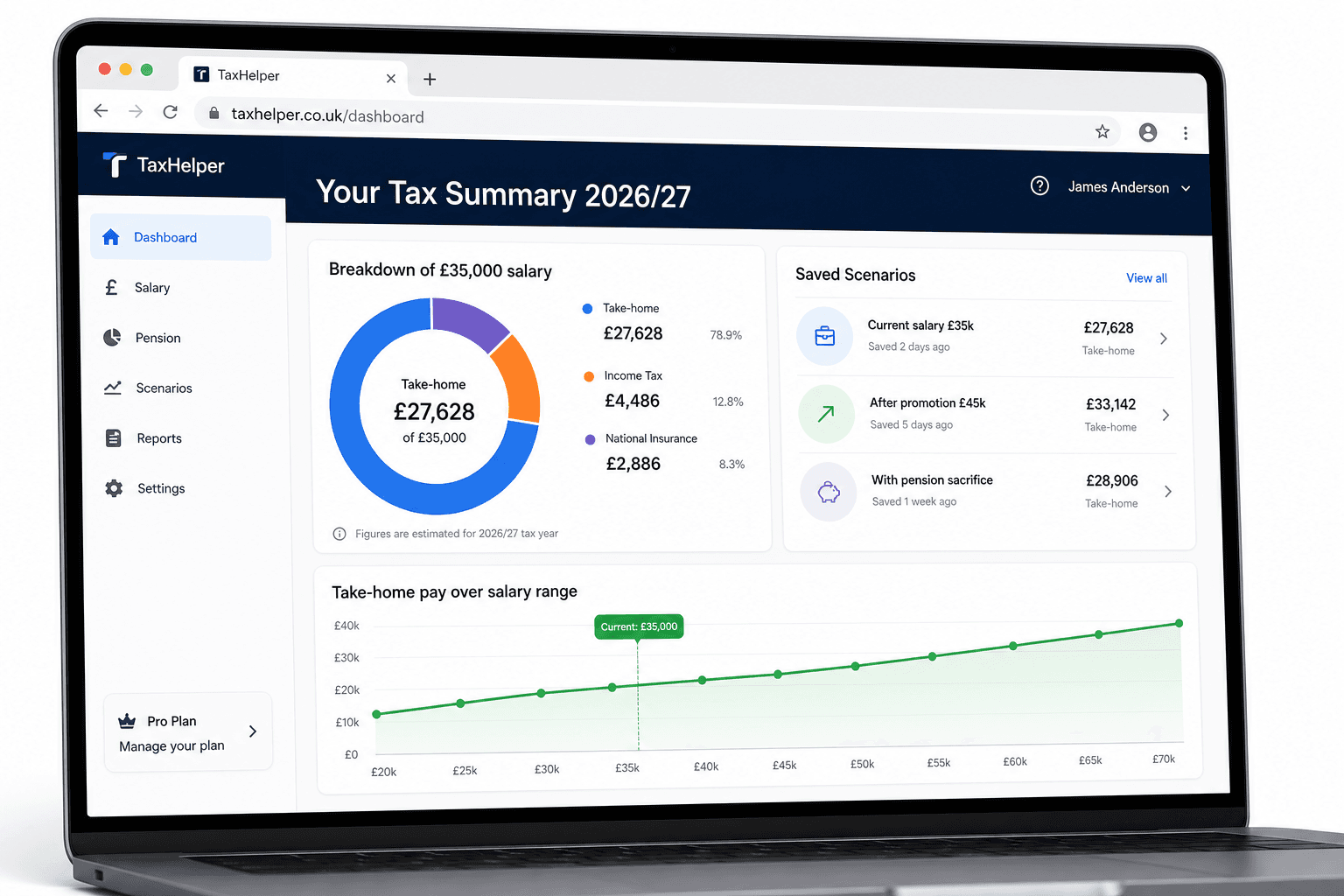
Save your results and track changes over time
Create a free account to save your calculations, compare scenarios and get helpful insights.
Create your free accountAlready have an account? Sign in
Built for UK workers
Free tools
Calculators and guides with no paywall
HMRC-aligned
Rates updated each tax year from official figures
Private by default
Your salary stays in your browser unless you save it
Free newsletter
Stay ahead of your tax
Every tax year brings changes to allowances, thresholds and rules. We break it all down so you always know exactly where you stand.
- UK tax changes explained in plain English
- Tips to legally reduce your tax bill
- New tool releases and calculator updates
- No spam, unsubscribe any time
Get tax tips in your inbox
Join thousands of UK workers who get our updates.
No spam. Unsubscribe any time.